Daikin Inverter Split Air Conditioner for Energy Efficient Cooling offers a revolutionary approach to modern cooling systems, combining advanced technology with impressive energy savings. With the soaring temperatures and rising energy costs, homeowners are seeking solutions that not only cool their spaces but also reduce their environmental footprint. Daikin’s inverter technology stands out by adjusting its cooling output according to the temperature needs, ensuring optimal comfort while saving on electricity bills.
This innovative system utilizes a unique inverter mechanism, which operates at varying speeds rather than a fixed setting, leading to significant energy reductions. Daikin air conditioners are engineered with high energy efficiency ratings and are designed to outperform traditional units, making them a smart investment for eco-conscious consumers.
Overview of Daikin Inverter Technology
Daikin Inverter technology revolutionizes air conditioning systems by providing precise temperature control and optimal energy efficiency. Unlike traditional systems, inverter technology adjusts the compressor speed to maintain a steady temperature, resulting in less energy consumption and increased comfort.
Principles of Inverter Technology in Air Conditioning
Inverter air conditioning operates by varying the compressor’s speed based on the required cooling load. This means that instead of turning on and off frequently, which consumes more energy, the inverter system continuously adjusts its output, ensuring a consistent and comfortable environment.
Advantages of Daikin Inverter Systems
Daikin inverter systems offer numerous benefits over non-inverter models:
- Energy savings of up to 30-50% compared to traditional air conditioners.
- Quieter operation due to the continuous adjustment of compressor speed.
- Longer lifespan, as the system experiences less wear and tear.
- Faster cooling and heating due to immediate adjustments.
Statistics show that Daikin inverter air conditioners can reduce electricity bills significantly, demonstrating their efficacy in energy efficiency.
Energy Efficiency Features of Daikin Inverter Split Air Conditioner
Daikin’s commitment to energy efficiency is evident in its range of inverter split air conditioners, which feature high energy efficiency ratings.
Energy Efficiency Ratings of Daikin Models
Daikin models consistently achieve high ratings such as SEER (Seasonal Energy Efficiency Ratio) values that often exceed 20. This exceptional rating reflects the units’ ability to provide cooling with minimal energy loss.
Comparison of Energy Consumption
When compared to other brands, Daikin Inverter systems typically consume 20-30% less energy. This comparison highlights Daikin’s leading position in the industry when it comes to sustainable cooling solutions.
Impact of Inverter Technology on SEER
Inverter technology significantly enhances the seasonal energy efficiency (SEER) of air conditioning systems. With better modulation of compressor speed and continuous operation, Daikin units maintain optimal efficiency throughout varying outdoor temperatures, leading to superior energy savings.
Benefits of Using Daikin Inverter Split Air Conditioners
Investing in Daikin Inverter split air conditioners brings various benefits that extend beyond just cooling.
Cost Savings and Environmental Impact, Daikin Inverter Split Air Conditioner for Energy Efficient Cooling
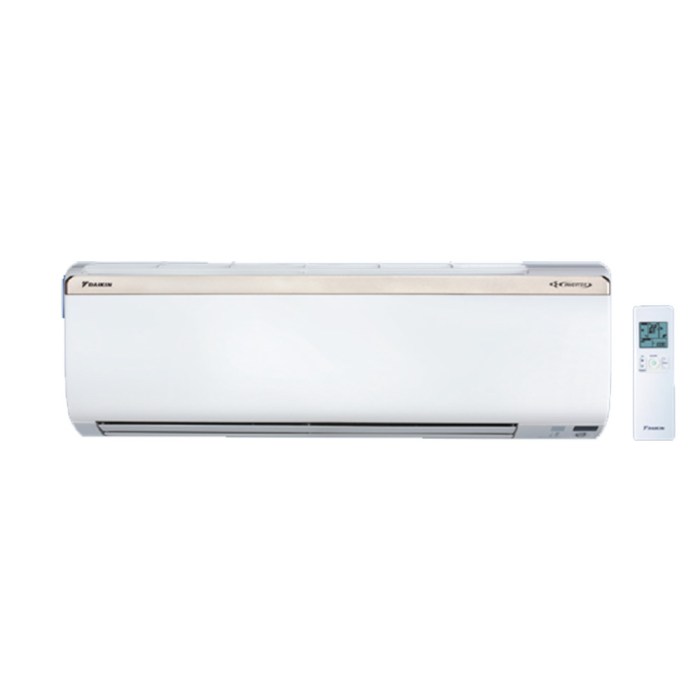
The energy efficiency of Daikin units translates to substantial cost savings on energy bills. Additionally, reduced energy consumption contributes to lower carbon emissions, making them an environmentally friendly choice.
User Testimonials
Many users report dramatic reductions in their energy bills after switching to Daikin inverter models. For instance, one user noted a decrease in their monthly electricity costs from $200 to $120, highlighting the impactful savings Daikin offers.
Long-term Reliability and Maintenance Benefits
Daikin air conditioners are known for their durability and require less frequent maintenance than conventional units. This reliability ensures peace of mind for homeowners and businesses alike.
Installation Process and Requirements
Installing a Daikin inverter split air conditioner requires careful planning and execution to ensure optimal performance.
Installation Steps for a Daikin Inverter Split Air Conditioner
1. Select the ideal location for the indoor and outdoor units, ensuring proper airflow and accessibility.
2. Install the indoor unit on a sturdy wall, following manufacturer guidelines.
3. Mount the outdoor unit on a stable platform, preferably elevated to prevent flooding.
4. Connect refrigerant lines, electrical wiring, and drainage pipes according to specifications.
5. Test the system for leaks and ensure it operates smoothly.
Necessary Tools and Materials
Essential tools for installation include:
- Drill and drill bits
- Wrenches and screwdrivers
- Refrigerant gauge set
- Electrical tester
- Leveling tool
Having these tools ready can expedite the installation process.
Checklist for Proper Location Selection and Mounting
– Ensure the indoor unit is located away from direct sunlight.
– Verify that the outdoor unit has sufficient space for airflow.
– Confirm that the mounting surface is stable and secure.
– Check for proximity to electrical outlets for easy connection.
Maintenance Practices for Optimal Performance
Regular maintenance is key to ensuring the longevity and efficiency of Daikin air conditioners.
Routine Maintenance Tasks
Performing the following tasks will help keep your air conditioner running efficiently:
- Regularly clean or replace filters to maintain airflow.
- Inspect and clean the coils to enhance heat exchange.
- Check the drain pan for clogs and clean as necessary.
Seasonal Maintenance Schedule
A seasonal maintenance schedule might include:
– Spring: Clean filters and inspect outdoor unit.
– Summer: Check refrigerant levels and ensure proper cooling.
– Fall: Winterize the outdoor unit and cover if necessary.
– Winter: Inspect the system for any signs of wear.
Best Practices for Cleaning Filters and Coils
Cleaning filters every month during peak usage and inspecting coils every three months can significantly improve performance and efficiency.
Troubleshooting Common Issues
While Daikin inverter air conditioners are reliable, users may encounter common issues.
Common Issues with Inverter Air Conditioners
Some frequent problems include:
- Reduced cooling efficiency
- Strange noises during operation
- Water leakage from the unit
Step-by-Step Guide to Troubleshoot Cooling Problems
1. Check the thermostat settings to ensure accuracy.
2. Inspect filters for dirt and debris; clean or replace as needed.
3. Examine the outdoor unit for blockages or obstructions.
4. Verify refrigerant levels; low levels may require professional service.
When to Seek Professional Help
If troubleshooting does not resolve the issue or if the unit exhibits unusual behaviors, seeking professional assistance is recommended to avoid further damage.
Comparison with Other Cooling Solutions
Daikin inverter split air conditioners stand out when compared to traditional and other cooling solutions.
Comparison with Traditional Window Units
Unlike window units, Daikin inverter systems provide better energy efficiency, quieter operation, and superior cooling performance across larger areas.
Differences Between Daikin and Other Inverter Brands
Daikin’s commitment to innovation and quality often places it above other inverter brands, with unique features such as advanced filtration systems and smart connectivity.
Pros and Cons of Various Cooling Solutions
| Cooling Solution | Pros | Cons |
|---|---|---|
| Daikin Inverter Split | High energy efficiency, quiet operation | Higher initial cost |
| Traditional Window Unit | Lower purchase price | Higher energy consumption, noisier operation |
| Portable Air Conditioner | Easy to move, no installation needed | Less efficient, often noisy |
Environmental Impact and Sustainability: Daikin Inverter Split Air Conditioner For Energy Efficient Cooling
Daikin actively contributes to sustainability through its energy-efficient products, helping to reduce carbon footprints.
Reducing Carbon Footprints through Energy-Efficient Products
By providing efficient air conditioning solutions, Daikin aids in lowering overall energy consumption, which is crucial for mitigating climate change.
Inverter Technology and Sustainable Cooling Solutions
Inverter technology promotes sustainable cooling by minimizing energy waste, thereby reducing greenhouse gas emissions associated with traditional cooling methods.
Impact of Energy-Efficient Air Conditioning on Global Warming
Data indicates that widespread adoption of energy-efficient air conditioning could significantly reduce global warming potential, making it a vital aspect of climate action strategies.
Future Trends in Air Conditioning Technology
The future of air conditioning is set to evolve with emerging technologies complementing inverter technology.
Emerging Technologies Complementing Inverter Technology
Innovations like IoT-enabled smart air conditioning and advanced energy storage solutions are on the horizon, enhancing user control and efficiency.
Future Developments Expected from Daikin
Daikin is actively investing in research to improve energy efficiency and develop smart features that cater to the evolving needs of consumers.
Consumer Trends Regarding Energy-Efficient Cooling Solutions
As awareness of climate change grows, more consumers are prioritizing energy efficiency when selecting cooling solutions, making Daikin’s offering increasingly relevant in today’s market.