How to Choose and Purchase Quality Home Gym Equipment is your ultimate guide to transforming your home into a fitness haven. This comprehensive approach helps you navigate the exciting journey of selecting the right tools to achieve your fitness goals. From understanding your specific objectives to considering space and quality, this guide equips you with all the essential insights to make informed decisions that lead to personal wellness triumphs.
Whether you’re a beginner looking to kickstart your fitness journey or an experienced athlete aiming to enhance your training, choosing the right gym equipment is crucial. In this guide, we’ll explore various types of equipment, key features to consider, and the importance of balancing quality with price to ensure you invest wisely.
Understanding Your Fitness Goals
Setting clear fitness goals is the cornerstone of an effective home gym experience. Whether you’re aiming to lose weight, build muscle, increase endurance, or improve flexibility, defining your objectives will guide your choices in equipment and design. Understanding what you want to achieve is essential for selecting the right tools that will help you succeed in your personal journey towards fitness.Identifying your fitness level is equally important, as it influences the type of equipment that will be most beneficial for you.
Beginners may require more foundational tools that offer versatility and ease of use, while advanced fitness enthusiasts may seek specialized equipment that allows for targeted workouts. Acknowledging your current capabilities and limitations helps in selecting equipment that not only challenges you but also keeps you safe and motivated.
Specific Fitness Objectives
Recognizing your specific fitness objectives allows for tailored recommendations in home gym equipment. By understanding where you want to focus your efforts, you can make informed decisions that align with your goals. Here are some common fitness objectives and the types of equipment that support them:
- Weight Loss: Incorporating cardio machines like treadmills, ellipticals, or stationary bikes can enhance calorie burning. High-intensity interval training (HIIT) equipment, such as kettlebells or jump ropes, also helps boost metabolism.
- Muscle Building: Free weights, resistance bands, and weight machines are essential for strength training, allowing for progressive overload, which is crucial for muscle growth.
- Endurance Training: Equipment such as rowing machines and spin bikes promotes endurance through sustained cardiovascular workouts, beneficial for athletes and non-athletes alike.
- Flexibility Improvement: Tools like yoga mats and stretching straps facilitate greater range of motion and recovery, essential for overall fitness enhancement.
Setting realistic goals involves assessing your current fitness level and creating a timeline for achieving your desired outcomes. It is essential to be honest with yourself about what you can achieve within a certain period. Here are some key considerations for establishing realistic fitness goals:
SMART goals (Specific, Measurable, Achievable, Relevant, Time-bound) are effective for tracking progress and maintaining motivation.
When setting these goals, consider the following factors:
- Your starting fitness level and any medical conditions that could impact your training.
- The amount of time you can realistically dedicate to workouts each week.
- The types of activities you enjoy, which will help maintain your motivation over time.
- The availability of space and budget to accommodate the equipment you might need.
By clearly defining your objectives, understanding your fitness level, and setting realistic timelines, you lay a solid foundation for your home gym setup. This strategic approach not only influences equipment choices but also enhances your overall commitment to a healthier lifestyle. Remember, the right equipment paired with well-defined goals can significantly impact your fitness journey, making it both effective and enjoyable.
Assessing Available Space
When it comes to setting up your home gym, understanding the available space is crucial to creating an effective workout environment. The size and configuration of your workout area can significantly influence your equipment choices and overall gym experience. By properly assessing your space, you can ensure that your gym is both functional and enjoyable.Begin by measuring your intended workout area, and take note of the dimensions.
The total square footage of your space will dictate the type and amount of equipment you can include. For instance, a small spare room may only allow for a few essential items, while a larger basement can accommodate a full range of gear. It’s important to take detailed measurements—length, width, and height—to ensure a well-fitting setup.
Optimizing Space in Small Areas
When space is limited, creativity is key. Here are several strategies to maximize the effectiveness of your home gym in smaller areas:
- Choose multi-functional equipment: Look for pieces that offer multiple workout options. For example, a power rack with a pull-up bar can serve as both a squat rack and a pull-up station.
- Utilize vertical space: Install wall-mounted shelves or racks to store weights and smaller equipment off the floor, helping to keep the area tidy and organized.
- Incorporate folding or compact equipment: Equipment such as foldable benches or collapsible exercise bikes can be easily stored away when not in use, freeing up space for other activities.
- Designate a specific area: Use mats or tape to mark your workout zone, helping you to visualize the space and avoid cluttering it with unnecessary items.
Creating a Balanced Layout
A well-planned layout not only enhances aesthetics but also improves functionality. To create a balanced layout for various types of equipment, consider these tips:
- Group similar equipment together: Keep cardio machines like treadmills and stationary bikes in one area, while weightlifting stations are grouped in another. This promotes a natural flow during workouts.
- Maintain adequate spacing: Ensure there’s enough room between equipment to allow for safe movement. A minimum of two to three feet is recommended between machines.
- Position frequently used items within easy reach: Place the most used equipment, like dumbbells and mats, in accessible locations to encourage consistency in your workout routine.
- Incorporate mirrors: Adding mirrors not only makes the space appear larger, but they also allow you to check your form during exercises, enhancing your workout quality.
Key Features to Look For

When selecting home gym equipment, understanding the essential features can significantly enhance your workout experience. Quality gym machines not only provide effective workouts but also ensure safety and comfort. Selecting equipment with the right specifications is crucial for achieving your fitness goals effectively and efficiently.Key features vary across different types of gym equipment, impacting usability, safety, and performance. These features might include adjustable settings, user interface technology, space-saving designs, and built-in safety mechanisms.
Familiarizing yourself with these specifications will help you make informed decisions when purchasing your home gym essentials.
Essential Features and Specifications
When investing in gym equipment, it’s important to know which features contribute to better performance, comfort, and safety. Here are some key specifications to consider:
- Adjustability: Equipment that offers adjustable settings (like seat height and resistance levels) allows users of varying sizes and fitness levels to tailor their workout experience.
- User Interface: A clear display screen that tracks time, distance, calories burned, and heart rate can enhance motivation and help monitor progress.
- Stability and Weight Capacity: Sturdy construction ensures safety during use. Check the weight limit to accommodate all potential users without compromising stability.
- Safety Features: Look for equipment with safety locks, emergency stop features, and non-slip surfaces to prevent injuries during workouts.
- Portability: Equipment that is easy to move or store, such as foldable treadmills or compact ellipticals, can save space in your home gym.
Comparison of Gym Machines, How to Choose and Purchase Quality Home Gym Equipment
To better understand the differences between popular gym machines, here’s a comparison table highlighting essential features:
| Gym Equipment | Adjustability | User Interface | Weight Capacity | Safety Features |
|---|---|---|---|---|
| Treadmill | Adjustable incline and speed | LCD display with heart rate monitoring | 300 lbs | Safety key, emergency stop button |
| Elliptical | Adjustable stride length | Digital console with workout programs | 250 lbs | Non-slip pedals, stability bars |
| Stationary Bike | Adjustable seat height and resistance | Backlit display with performance tracking | 275 lbs | Emergency brake, sturdy frame |
Each machine offers unique features that can serve different workout styles. For instance, treadmills are excellent for running simulations, while ellipticals provide low-impact cardiovascular workouts that are easier on the joints.
“Investing in quality gym equipment with essential features can dramatically enhance your workout efficiency and safety.”
Understanding these key features will empower you to choose the best gym equipment tailored to your fitness needs, ensuring a productive and enjoyable experience in your home gym.
Types of Equipment to Consider
When setting up a home gym, understanding the various types of equipment available is crucial for designing a balanced workout regimen. Each category serves a unique purpose, contributing to an overall fitness program that targets different aspects of health and wellness. Cardio, strength training, and flexibility equipment form the backbone of any effective fitness routine, each offering distinct benefits that cater to individual goals and preferences.
Categories of Gym Equipment
Exploring the different categories of gym equipment reveals how each can enhance your fitness journey:
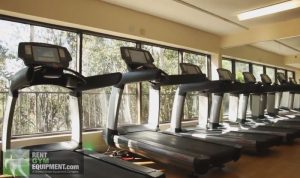
- Cardio Equipment: This category includes treadmills, stationary bikes, ellipticals, and rowing machines. Cardio workouts improve cardiovascular health, increase endurance, and burn calories efficiently.
- Strength Training Equipment: Comprising free weights, resistance bands, and machines, strength training tools are essential for building muscle, enhancing metabolism, and promoting bone density.
- Flexibility Equipment: Items like yoga mats, foam rollers, and resistance bands facilitate stretching and mobility. Flexibility exercises help prevent injuries, improve posture, and enhance overall performance.
Each type of equipment plays a vital role in achieving a well-rounded fitness routine. Incorporating all three categories ensures a balanced approach to fitness that fosters endurance, strength, and flexibility.
Unlock the secrets to success in real estate by learning How to Attract High Quality Real Estate Leads. Discover innovative strategies that will draw in the most qualified buyers and sellers, ensuring your listings stand out. Coupled with effective lead generation techniques, you can elevate your business to new heights and secure your position in a competitive market.
Essential Equipment for Beginners vs. Advanced Users
Selecting the right equipment depends on your fitness level. Understanding what to include can optimize your home gym setup. For beginners, basic yet versatile tools lay the foundation for fitness exploration and progression:
- Adjustable dumbbells
- Resistance bands
- Yoga mat
- Jump rope
- Stability ball
Advanced users may require more specialized equipment to challenge their skills and cater to specific training goals:
- Power rack or squat rack
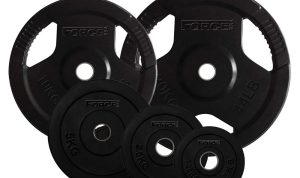
- Barbell set with weight plates
- Adjustable bench
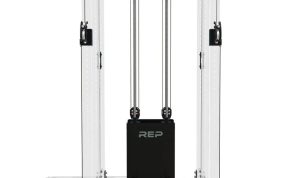
- Cable machine
- Battle ropes
Investing in the right equipment tailored to your skill level can enhance your fitness journey and yield greater results over time.
“A successful fitness routine combines cardio, strength, and flexibility to cultivate a holistic approach to health.”
Quality vs. Price
When investing in home gym equipment, understanding the balance between quality and price is crucial. This balance ensures that you get the best value for your money while achieving your fitness goals. Generally, gym equipment falls into three primary categories: budget, mid-range, and high-end. Each category has its own merits, and it’s essential to weigh these against your personal fitness needs and budget constraints.The relationship between quality and durability in gym equipment cannot be overstated.
Higher quality products often mean better materials, improved engineering, and longer lifespan, which translates to less frequent replacements. While budget equipment may seem appealing initially, it often comes with hidden costs, such as repairs or replacements due to wear and tear. Consider the long-term investment of quality equipment for a fulfilling fitness journey.
Price Ranges of Gym Equipment
Understanding the various price ranges can guide potential buyers in determining what fits best within their budget. Here’s a breakdown of typical price ranges for different categories of gym equipment:
- Budget Equipment: Prices range between $50 to $300. Ideal for beginners or those with limited space, this equipment may include basic dumbbells, resistance bands, and simple cardio machines. Keep in mind that while initial costs are low, durability may be compromised.
- Mid-Range Equipment: Prices range from $300 to $1,000. This equipment often includes more robust machines like ellipticals, stationary bikes, or versatile weight benches. Mid-range options strike a balance between cost and quality.
- High-End Equipment: Prices start at $1,000 and can exceed $5,000. High-end equipment typically features advanced technology, superior manufacturing, and extensive warranties. Examples include commercial-grade treadmills and multi-station gyms designed for heavy use.
Warranty Periods and Guarantees
When evaluating different brands, the warranty period is a telling indicator of the manufacturer’s confidence in their product. A longer warranty usually correlates with higher quality and durability.
Make informed decisions by mastering the art of evaluation with How to Evaluate a Real Estate Property Accurately. This guide provides essential tips and tools to assess property value effectively, ensuring you never miss a great investment opportunity. Accurate evaluations empower you to negotiate better deals and maximize your returns.
| Brand | Warranty Period | Guarantee |
|---|---|---|
| Brand A | 10 years on frame, 2 years on parts | 30-day money-back guarantee |
| Brand B | 5 years on frame, 1 year on parts | 60-day satisfaction guarantee |
| Brand C | Lifetime warranty on frame, 3 years on parts | 90-day free return |
| Brand D | 2 years on frame, 1 year on parts | 1-year product replacement guarantee |
Investing in quality equipment not only ensures a safer workout environment but can also save you money in the long run through enhanced durability and lower replacement costs.
Researching Brands and Reviews
When embarking on the journey to build your home gym, researching brands and reading reviews is crucial to ensure you invest in high-quality equipment. The right fitness equipment can significantly impact your workout experience, motivation, and overall results. By understanding how to evaluate brands and what to look for in customer feedback, you can make an informed decision that aligns with your fitness goals and budget.Evaluating brand reputation and reliability in fitness equipment involves examining several critical factors, including the history of the brand, its commitment to quality, and customer satisfaction.
A well-established brand often has a track record of producing durable and effective fitness equipment. Additionally, companies that offer warranties or guarantees demonstrate confidence in their products.
Stay ahead in the market by understanding key dynamics with Factors That Influence Real Estate Prices the Most. This insightful resource unveils the critical elements that shape property values, allowing you to predict market trends and make savvy investment decisions. Knowledge is power when navigating the ever-changing real estate landscape.
Key Points in Customer Reviews and Ratings
Customer reviews provide valuable insights into the performance and reliability of fitness equipment. When reading reviews, it’s essential to consider the following aspects:
- Overall Ratings: Look for average ratings out of 5 stars, as high ratings often indicate customer satisfaction.
- Specific Feedback: Pay attention to detailed comments about aspects like durability, ease of use, and effectiveness.
- Quantity of Reviews: A high number of reviews can signal a popular and trusted product.
- Trends in Feedback: Identify common praises or complaints to gauge consistent issues or strengths.
- Expert Opinions: Seek reviews from recognized fitness experts for additional credibility.
Accessing reputable sources for product reviews and expert opinions is vital to making an educated purchase. Here are some trustworthy platforms where you can find comprehensive reviews and comparisons of gym equipment:
- Consumer Reports: Known for thorough testing and unbiased reviews on a wide range of products, including fitness equipment.
- Reddit Fitness Communities: Engaging discussions and personal experiences from real users can provide candid insights.
- Fitness Equipment Retailers: Websites like Amazon often feature customer reviews, along with expert analysis and ratings.
- Fitness Magazines: Publications such as Men’s Health and Women’s Health regularly review fitness products and provide expert recommendations.
- YouTube Reviews: Many fitness enthusiasts share in-depth video reviews and demonstrations of equipment, which can be especially helpful in visualizing its use.
“Researching and understanding brand reputations and customer feedback can save you from costly mistakes in your fitness journey.”
Purchasing Options
When it comes to acquiring quality home gym equipment, the choice between online and brick-and-mortar stores can significantly impact your buying experience. Each option has its unique advantages, making it essential to understand which route best suits your needs. This section delves into the various purchasing options, ensuring you make an informed decision on where to invest in your fitness journey.Purchasing equipment from brick-and-mortar stores allows for immediate accessibility, and often, the opportunity to test the equipment in person.
Meanwhile, online retailers provide convenience, a wider selection, and often better pricing. It’s crucial to weigh these options based on your preferences and requirements.
In-Store Buying Considerations
When opting to purchase gym equipment from a physical store, it’s essential to have a checklist of key questions in mind to ensure you’re making the right choice. Here’s a curated list of inquiries to help guide your in-store shopping experience:
- What is the warranty period for this equipment?
- Can you demonstrate how to properly use this equipment?
- What are the maintenance requirements for this piece of equipment?
- Is there a return policy in case the equipment does not meet my needs?
- Are there any current promotions or discounts available?
- Can I see customer reviews or testimonials for this product?
- What’s the difference between this model and similar ones?
Online Retailer Comparison
Choosing to shop online presents a plethora of options, but understanding the return policies of different retailers is vital for a hassle-free experience. Below is a comparison of popular online retailers and their respective return policies, highlighting their advantages.
| Retailer | Return Policy | Notes |
|---|---|---|
| Amazon | 30 days | Free return shipping for Prime members. |
| Walmart | 90 days | Must be in original packaging, some exclusions may apply. |
| Target | 90 days | Exceptions for electronics and opened items. |
| Dick’s Sporting Goods | 30 days | Extended for purchases made during the holiday season. |
| Academy Sports + Outdoors | 60 days | Must be accompanied by a receipt for returns. |
Ensuring you are aware of each retailer’s return policy can provide peace of mind, especially when investing in significant fitness equipment. Selecting the right purchasing option tailored to your preferences will enhance your home gym setup and overall fitness experience.
Maintenance and Longevity: How To Choose And Purchase Quality Home Gym Equipment
Maintaining your home gym equipment is essential for ensuring its longevity and optimal performance. Just as you wouldn’t neglect the upkeep of your car or home, your fitness equipment deserves the same level of attention. Regular maintenance not only enhances the lifespan of your equipment but also ensures safety during workouts and prevents costly repairs.Routine upkeep is crucial for various types of gym equipment, each requiring specific care.
Adhering to a maintenance schedule can prevent wear and tear, keeping your investment in top condition. Below are common maintenance tasks categorized by equipment type to help streamline your upkeep routine.
Common Maintenance Tasks for Different Equipment Types
Understanding the specific maintenance requirements for each equipment type is vital for its longevity. Here’s a breakdown of essential tasks:
- Treadmills: Regularly check the belt alignment and tension. Clean the surface and underneath the belt to remove dust and debris. Lubricate the deck as recommended by the manufacturer.
- Stationary Bikes: Inspect the chain and gears for signs of wear. Wipe down the frame and seat after each use to prevent rust and maintain hygiene. Ensure that all bolts are tightened appropriately.
- Weight Machines: Check cables and pulleys for fraying. Clean moving parts to prevent dirt buildup. Lubricate joints and pivot points to ensure smooth operation.
- Dumbbells and Free Weights: Inspect for any signs of chips or rust. Store weights in a dry, clean area to avoid moisture exposure.
- Resistance Bands: Check for tears or fraying. Store bands in a cool, dry place away from direct sunlight to prolong their elasticity.
Implementing a consistent maintenance schedule is crucial for preserving the integrity of your equipment. Below is a suggested timeline for upkeep:
Maintenance Schedule
Creating a maintenance schedule can help keep your gym equipment in premium condition. Here’s a simple framework to follow:
| Equipment Type | Daily Tasks | Weekly Tasks | Monthly Tasks |
|---|---|---|---|
| Treadmills | Wipe down surface | Check belt tension | Lubricate deck |
| Stationary Bikes | Wipe down frame | Check chain tension | Inspect brakes |
| Weight Machines | Wipe down frame | Check cables | Lubricate moving parts |
| Dumbbells/Weights | Inspect for wear | Clean weights | Check for rust |
| Resistance Bands | Inspect for damage | Clean with damp cloth | Check elasticity |
By prioritizing these maintenance tasks and adhering to the suggested schedule, you can significantly enhance the performance and lifespan of your home gym equipment. Remember, a well-maintained workout space not only boosts your fitness journey but also creates a safer and more enjoyable environment to achieve your goals.
Quick FAQs
What are the essential pieces of equipment for beginners?
Beginners should consider starting with a set of dumbbells, a yoga mat, and a resistance band to cover basic strength training and flexibility.
How can I ensure the durability of my gym equipment?
Regular maintenance, following the manufacturer’s guidelines, and using equipment properly will extend its lifespan significantly.
Is it better to buy gym equipment online or in-store?
It depends on personal preference; online shopping offers convenience and often better deals, while in-store allows you to test the equipment before purchasing.
Can I find second-hand gym equipment that is good quality?
Yes, many people sell lightly used equipment; just ensure to check the condition and functionality before purchasing.
How often should I replace my gym equipment?
This varies by type and usage, but generally, most equipment should be evaluated every few years for wear and performance issues.